
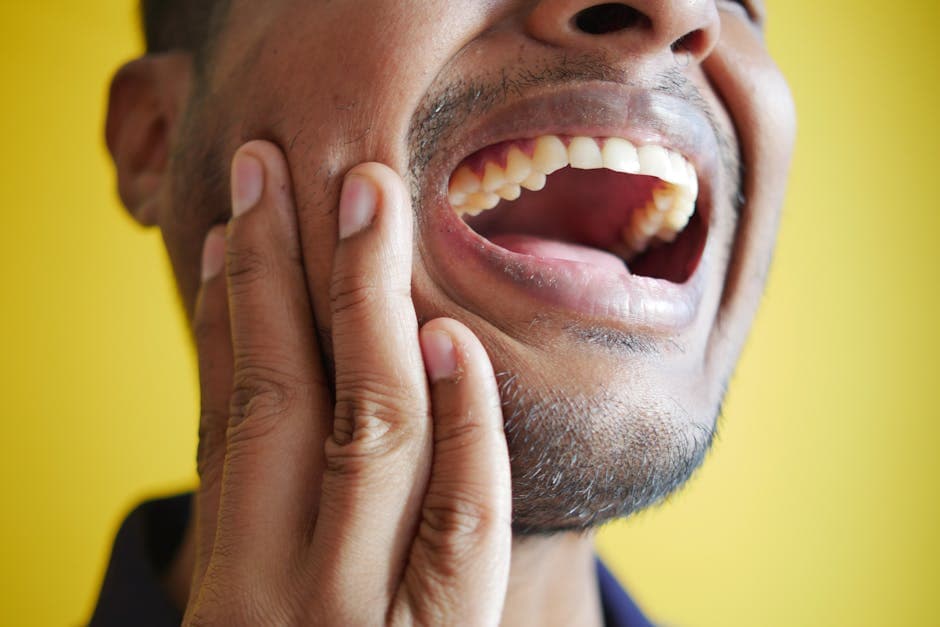
If you are dealing with a dental emergency, a knocked-out tooth, a cracked filling, sudden pain, knowing what to do in those first few minutes can make the difference between saving a tooth and losing it. This guide covers the most common situations and walks you through what to do right now.
Dental emergencies rarely come with a warning. Your child takes a tumble at the playground near the Bedford YMCA. You bite down on something unexpected at a family cookout. A filling comes loose on a Saturday morning when most offices are closed. At Bedford Family Dentistry, Dr. Deepak Maharaj and our team handle dental emergencies regularly, and we offer same-day emergency appointments whenever possible. We want you and your neighbors in Bedford to feel prepared.
What Should You Do If a Tooth Gets Knocked Out?
A knocked-out permanent tooth is one of the most time-sensitive dental emergencies you can face. According to the American Dental Association (ADA), the best chance of saving the tooth is reimplanting it within 30 minutes. Here is what to do, step by step.
Find the tooth and pick it up by the crown, that is the white part you see when you smile. Do not touch the root. The root has delicate cells on its surface called periodontal ligament cells (they help the tooth reattach to the bone), and handling, scrubbing, or drying the root damages those cells and lowers the chance of saving the tooth.
If the tooth is dirty, rinse it gently with water for no more than 10 seconds. Do not scrub it, do not use soap, and do not wrap it in a tissue, that will dry it out. If you can, try placing the tooth back into the socket yourself. Push it in gently with your fingers and bite down on a clean cloth or gauze to hold it in place. It does not have to be perfect, just getting it back in the socket keeps those root cells alive.
If reinserting the tooth is not possible, maybe your child is too upset, or the area is too swollen, place the tooth in a small container of cold milk. Milk has the right balance of pH and minerals to keep those root cells viable for a short time. Do not store the tooth in water, regular water actually damages those cells. If milk is not available, the person can hold the tooth between their cheek and gum to keep it moist in saliva. Then call us right away.
Baby teeth that get knocked out are handled differently. We generally do not reimplant baby teeth because doing so can harm the developing permanent tooth underneath. But you should still call so we can check the area and make sure your child is okay.
How Should You Handle a Severe Toothache?
A toothache can range from a dull ache to pain so sharp it keeps you up at night. If you are experiencing serious tooth pain, here is what you can do while you wait to see us.
Rinse your mouth gently with warm salt water, about half a teaspoon of salt in eight ounces of water. This helps clean the area and can ease some inflammation. Use dental floss carefully to check whether anything is trapped between your teeth. You would be surprised how often a piece of food wedged between two teeth mimics a toothache.
Over-the-counter pain medication can help. Ibuprofen (brands like Advil or Motrin) tends to work well for dental pain because it addresses both pain and inflammation. Follow the dosing instructions on the label. One important note: do not place aspirin directly on the gum tissue next to the tooth. That is an old home remedy that actually causes a chemical burn on your gums and makes things worse.
If you notice swelling on the outside of your face or jaw, apply a cold compress, a bag of frozen peas wrapped in a towel works well, for 15 to 20 minutes at a time. Swelling alongside a toothache can indicate an abscess (a pocket of infection), which needs professional care. If you develop a fever, have difficulty swallowing, or notice swelling moving toward your eye or neck, head to the emergency room. Those are signs of a serious infection that needs immediate medical attention.
Call us as soon as you are able. Dr. Maharaj can determine whether the pain is coming from a cavity, a cracked tooth, an abscess, or another cause, and we will get you comfortable and on a clear treatment path.
What Should You Do About a Cracked or Broken Tooth?
Teeth can crack or break from biting down on hard foods (ice, hard candy, olive pits, and unpopped popcorn kernels are common culprits), from a fall or impact, or from grinding your teeth over time while you sleep. Here is what to do if it happens to you.
Save any pieces of the tooth you can find. Rinse your mouth with warm water to clean the area. If there is bleeding, apply a piece of gauze and hold firm pressure for about 10 minutes, or until the bleeding stops. A cold compress against your cheek near the break will help with swelling.
If the break has left a sharp or jagged edge that is cutting your tongue or cheek, you can cover it temporarily with a piece of sugar-free gum or dental wax (available at most pharmacies in the Bedford area) to protect the soft tissue until you can get to our office. Do not try to file or smooth the edge yourself.
Give us a call so we can take a look. Some cracks are minor and can be repaired with bonding or a filling. Others may need a crown to protect what remains of the tooth. In more serious cases, where the crack extends below the gumline or into the root, more involved treatment may be needed. The sooner we can evaluate the situation, the more options you will have.
What If a Filling or Crown Comes Loose?
Fillings and crowns can come loose over time, the cement gradually wears down, decay can develop underneath, or you may bite down on something that dislodges the restoration. If this happens to you, there is no need to panic. A lost filling or crown is usually not painful right away, but the exposed tooth may feel sensitive to temperature and pressure.
If a filling falls out, you can temporarily protect the space with a small piece of sugar-free gum pressed into the opening, or with over-the-counter dental cement (brands like Dentemp are available at pharmacies and grocery stores around Bedford). This is a temporary measure to keep you comfortable until you can see us.
If a crown comes off, try slipping it back over the tooth. A thin layer of denture adhesive or even a small dab of toothpaste on the inside of the crown can help hold it in place temporarily. Do not use super glue or household adhesives, they are not safe in your mouth and can actually make it harder for us to properly recement the crown later.
Call us to schedule a repair. In most cases, we can recement a crown or replace a filling in a single visit. The sooner you come in, the less chance there is for new decay to develop on the exposed tooth or for the remaining tooth structure to shift.
How Should You Care for a Cut Inside Your Mouth?
Cuts, tears, or puncture wounds to your lips, tongue, cheeks, or gums can bleed heavily and look more serious than they are, though they often heal well with straightforward care. Rinse the area gently with warm salt water. Apply pressure with a clean gauze pad or cloth. If the bleeding continues after 15 to 20 minutes of steady pressure, or if the wound is deep, you may need stitches, call us or head to the nearest emergency room.
For injuries from a blow to the face, from a softball game at the Bedford community fields, for example, or an accidental elbow during pickup basketball, check the teeth as well. Sometimes what looks like a split lip is accompanied by a loosened or displaced tooth that needs attention.
What About Something Stuck Between Your Teeth?
It sounds minor, but an object stuck between your teeth can cause real discomfort and, if left long enough, can irritate the gum tissue or even the tooth surface. Try to remove it gently with dental floss. Do not use a pin, needle, or other sharp object, you risk puncturing your gum or scratching the enamel. If floss does not do the job, call us. We have the right tools to remove it safely and comfortably.
When Should You Go to the Emergency Room Instead?
Most dental emergencies are best handled at a dental office rather than an ER. Emergency rooms can manage your pain and prescribe antibiotics, but they typically cannot perform dental procedures like reimplanting a tooth, completing a root canal, or placing a crown. That said, there are situations where the ER is the right choice.
Head to the emergency room if you have uncontrolled bleeding that will not stop with pressure, a jaw that may be broken or dislocated, swelling that is affecting your ability to breathe or swallow, or a fever above 101 degrees Fahrenheit alongside a dental infection. These situations need immediate medical attention. Once things are stabilized, follow up with us for the dental care.
How Can You Prepare Before an Emergency Happens?
The ADA recommends keeping a small dental emergency kit at home. It does not need to be elaborate, a small container with gauze, a travel-sized bottle of salt, over-the-counter pain medication, dental cement from the pharmacy, and our office number (540-227-7862) will cover the basics. If your family is active in sports, make sure everyone who needs a mouthguard has one. Custom mouthguards from our office provide better protection and a more comfortable fit than store-bought options.
Living in Bedford, we have a wonderful close-knit community, but we are also a bit of a drive from the major medical centers in Roanoke or Lynchburg. Having a plan and knowing the basics of dental first aid gives you a real advantage when time matters.
At Bedford Family Dentistry, we are here for you when things go wrong. If you or someone in your family experiences a dental emergency, call us. Dr. Maharaj and our team will get you in as quickly as we can and make sure you are in good hands.